ONE-STOP Solution of lifesaving Products !


A Comprehensive Guide to Choosing the Right Lifebuoy for Various Marine Environments
6/20/20251 min read
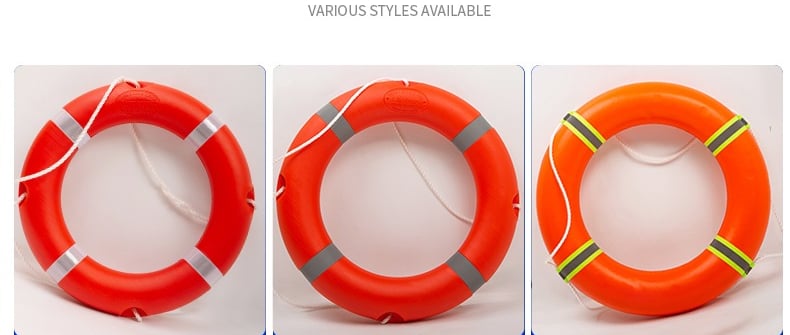
Understanding Lifebuoy Types and Their Purpose
Lifebuoys are crucial safety devices designed to prevent drowning in marine environments. Different types of lifebuoys serve specific purposes based on the setting in which they are used. Understanding the features of various lifebuoy types is essential for resellers to make informed recommendations to customers suitable for offshore, coastal, and inland waters.
Offshore Lifebuoys: Ideal for Open Waters
Offshore lifebuoys are specifically designed to withstand the challenging conditions of open waters. These buoyancy aids are typically larger and equipped with features such as reflective strips for visibility and a high buoyancy-to-weight ratio. Resellers should recommend offshore lifebuoys for use on large vessels, oil rigs, and deep-sea fishing boats. These environments often necessitate robust safety measures due to unpredictable weather and extensive water areas.
Coastal and Inland Lifebuoys: Versatile Choices for Varied Environments
Coastal lifebuoys are tailored for environments close to shore where conditions may be less severe than in the open ocean. These lifebuoys can often be stored on beaches, docks, or piers, ready to be deployed when necessary. They tend to be designed for rapid access and are typically lighter in weight. For resellers, recommending coastal lifebuoys is ideal for areas used frequently by swimmers, surfers, and recreational boats.
Inland waters, such as lakes and rivers, present unique challenges that require dedicated safety equipment. Lifebuoys designed for inland use may incorporate a compact design, making them easy to handle and store. They are also usually constructed with specific materials that resist freshwater conditions. Resellers must assess local regulations and environmental characteristics when suggesting the most appropriate lifebuoy for inland users.
Conclusion: Matching Lifebuoys with Environmental Needs
In summary, selecting the right lifebuoy depends largely on the specific marine environment in which it will be utilized. Offshore lifebuoys provide essential safety features necessary for open water scenarios, while coastal and inland versions cater to calmer waters, with their designs reflecting the needs of nearby users. Resellers should prioritize understanding environmental factors and the intended use case when advising customers on lifebuoy options. By doing so, they not only ensure compliance with safety regulations but also enhance the overall safety of water activities.